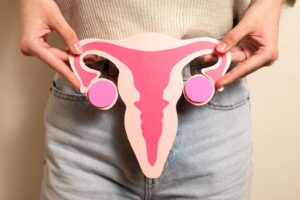
IVF with Natural Cycle or Medication?

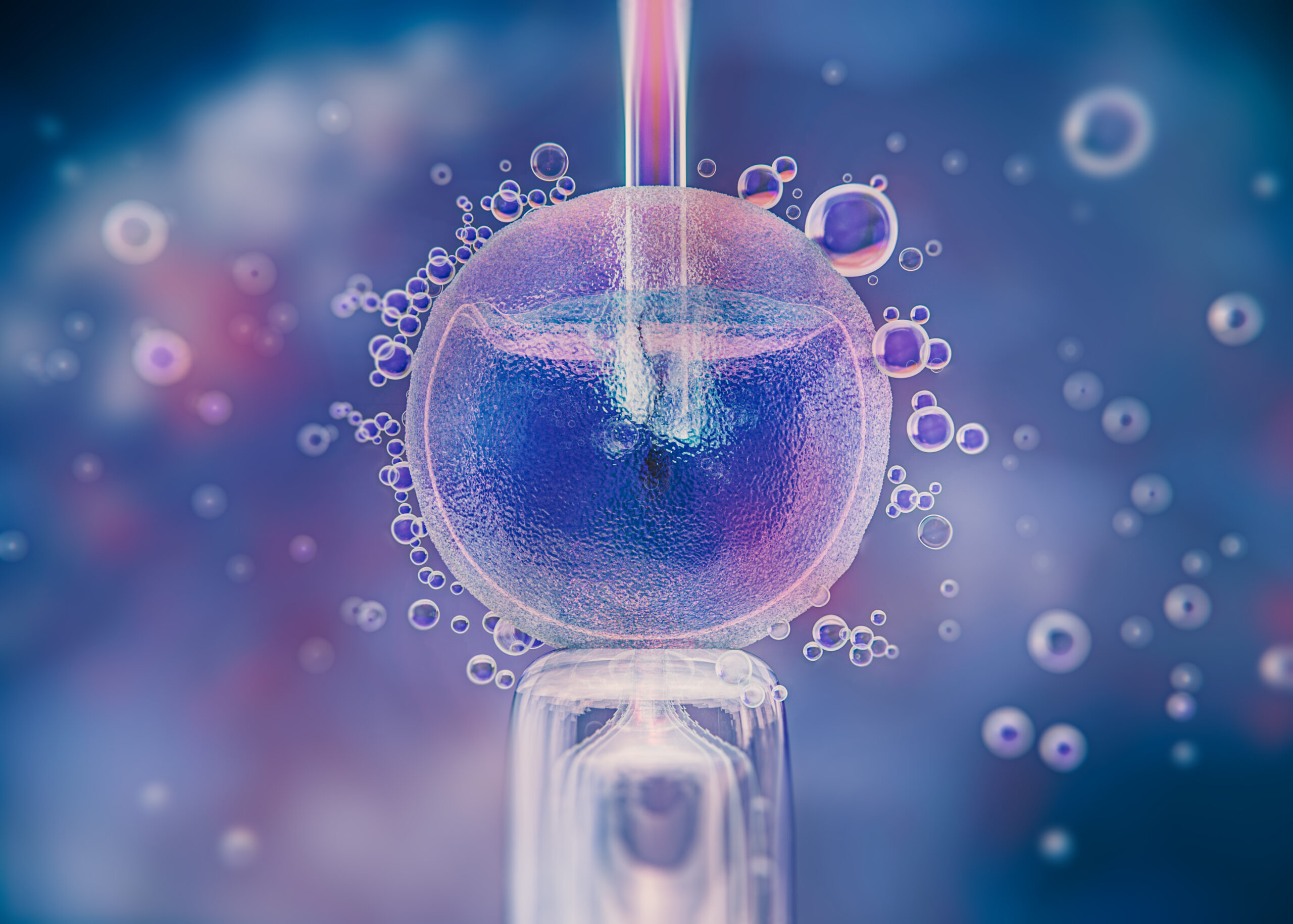
One of the main dilemmas couples or women face when considering in vitro fertilization (IVF) is the choice between a natural cycle (natural cycle IVF) or IVF with medication-induced stimulation (controlled ovarian stimulation).
What Natural Cycle and Medication Stimulation Mean
Natural cycle IVF uses the egg that develops naturally in each menstrual cycle, with minimal or no medication. In a modified natural cycle, a very mild stimulation is applied to synchronize egg retrieval.
In contrast, IVF with stimulation uses hormonal medications to produce multiple eggs from the ovaries, thereby increasing the number of embryos and the chance of success.
The choice between the two methods depends on several factors: medical history, age, ovarian reserve, response to hormones, and, of course, the preferences of the woman.
Advantages and Disadvantages of the Natural Cycle
Key advantages:
- Minimal hormonal burden
- Almost zero risk of ovarian hyperstimulation syndrome (OHSS)
- A more “natural” environment for the endometrium
- Lower cost per cycle
Key disadvantages:
- Usually only one egg is produced (rarely two or three)
- Often requires repeated cycles
- Higher sensitivity to premature ovulation
- Lower success rate per single cycle compared to stimulated attempts
Natural cycle IVF is recommended for specific groups of women: those who prefer minimal hormonal exposure, women at higher risk for OHSS, or cases where stimulation does not provide significant benefit (“poor responders”).
Advantages and Disadvantages of Medication Stimulation
Key advantages:
- Production of a larger number of eggs
- More embryos and ability to select higher-quality ones
- Significantly higher success rates per cycle
- Possibility to create a reserve (freezing) for future attempts
Key disadvantages:
- Higher hormonal burden
- Risk of OHSS
- Requires more clinic visits
- Higher cost per cycle
It is worth noting that for women over 35–37 years old or with a limited ovarian reserve, stimulation remains the approach with the highest overall probability of success.
What Modern Research Shows
Recent studies and reviews indicate that:
- Natural and modified natural cycles can achieve very good outcomes in selected patients, but not higher than stimulation in the general population.
- In FET (frozen embryo transfer) cycles, natural/modified natural cycles may have a better perinatal complication profile compared to fully artificial protocols.
- Medication stimulation still outperforms regarding cumulative success rate – the overall likelihood of achieving a child after multiple transfers from the same cycle.
- NC-IVF cycles reduce OHSS risk to almost zero, which is important for women with a history of severe reactions.
Personalization is Key
Modern IVF is tailored to the profile and needs of each individual. The “ideal” choice is not the same for every woman.
Gynecologists consider:
- Age and ovarian reserve
- Response to previous cycles
- Hormonal profile
- Presence of polycystic ovaries
- Possible medical issues
- Psychological and financial burden
- Personal preferences of the woman or couple
The Future of IVF
Research is advancing rapidly and is expected to transform both types of cycles:
- Pharmacogenomics & AI for personalized medication selection and dosing
- In-vitro maturation (IVM) as an alternative without intensive stimulation
- AI algorithms for embryo assessment and selection
- Non-invasive methods to evaluate the embryo environment
- New culture techniques and endometrial preparation
- Combined protocols that “merge” natural cycles with mild stimulation
The future indicates that the choice will no longer be a simple “natural cycle or medication” dilemma, but a spectrum of fully personalized protocols designed specifically for each woman.
Conclusion
Natural cycle IVF and medication-induced stimulation are not competing methods; they are different tools for different women, with a shared goal. The choice should be based on age, history, ovarian profile, and personal goals.
Through scientific progress, IVF is becoming an increasingly safe, efficient, and personalized process, offering women options that truly fit their bodies and lifestyles.